Barrett-Jackson
Leading the design of Barrett-Jackson’s business-critical software workflows, from vehicle consignment and bidder registration to the logged-in experience that supports high-value transactions.
This engagement was structured as a long-term transformation of Barrett-Jackson’s core software workflows. DodgeUX partnered closely with the organization to redesign how users consign vehicles, register to bid, and manage their participation through authenticated, business-critical experiences.
These workflows sit at the center of Barrett-Jackson’s operations and revenue model. They involve high-value transactions, sensitive data, regulatory considerations, and irreversible actions, requiring a design approach focused on accuracy, clarity, and operational rigor rather than surface-level optimization.
Scope
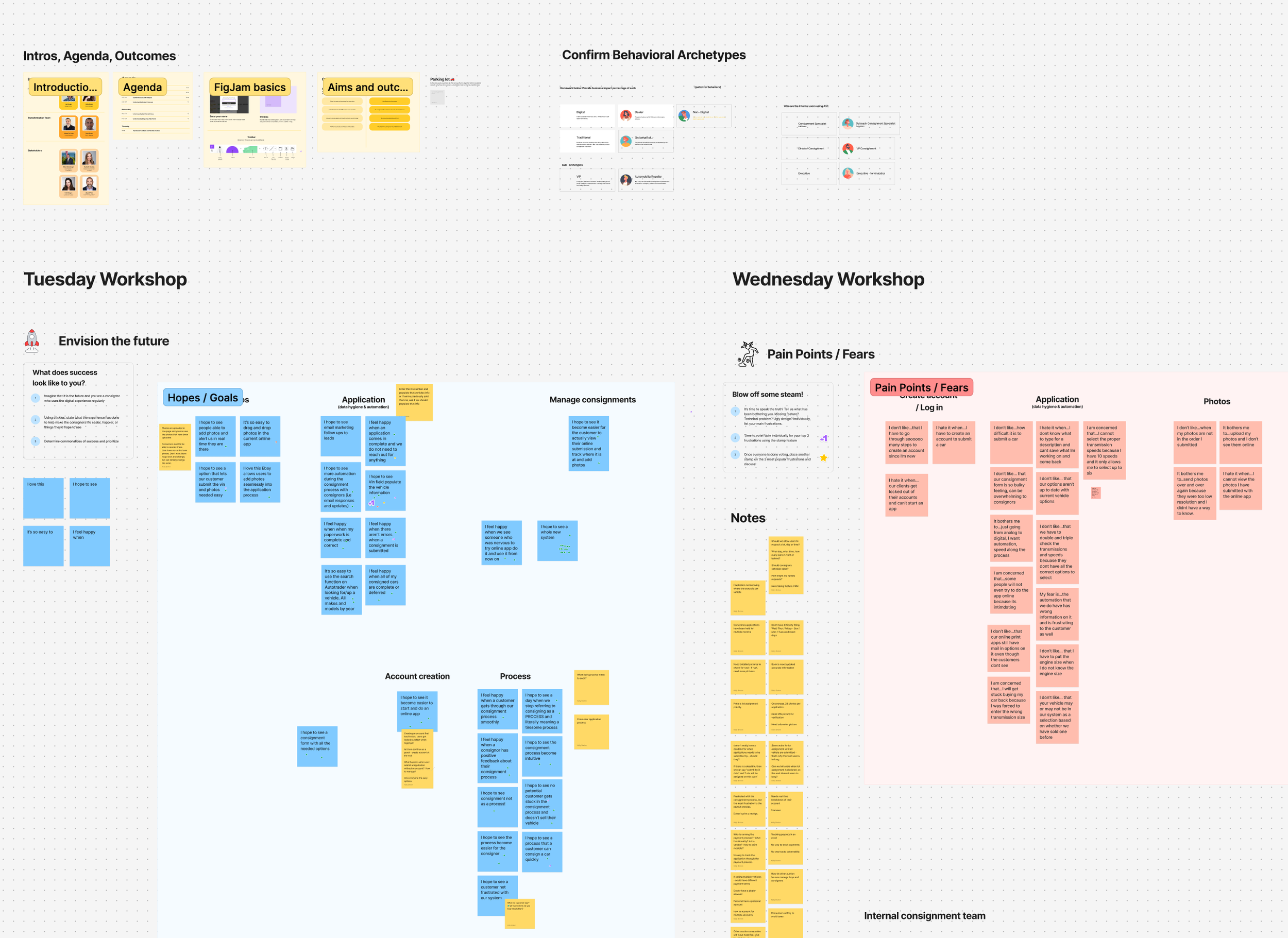
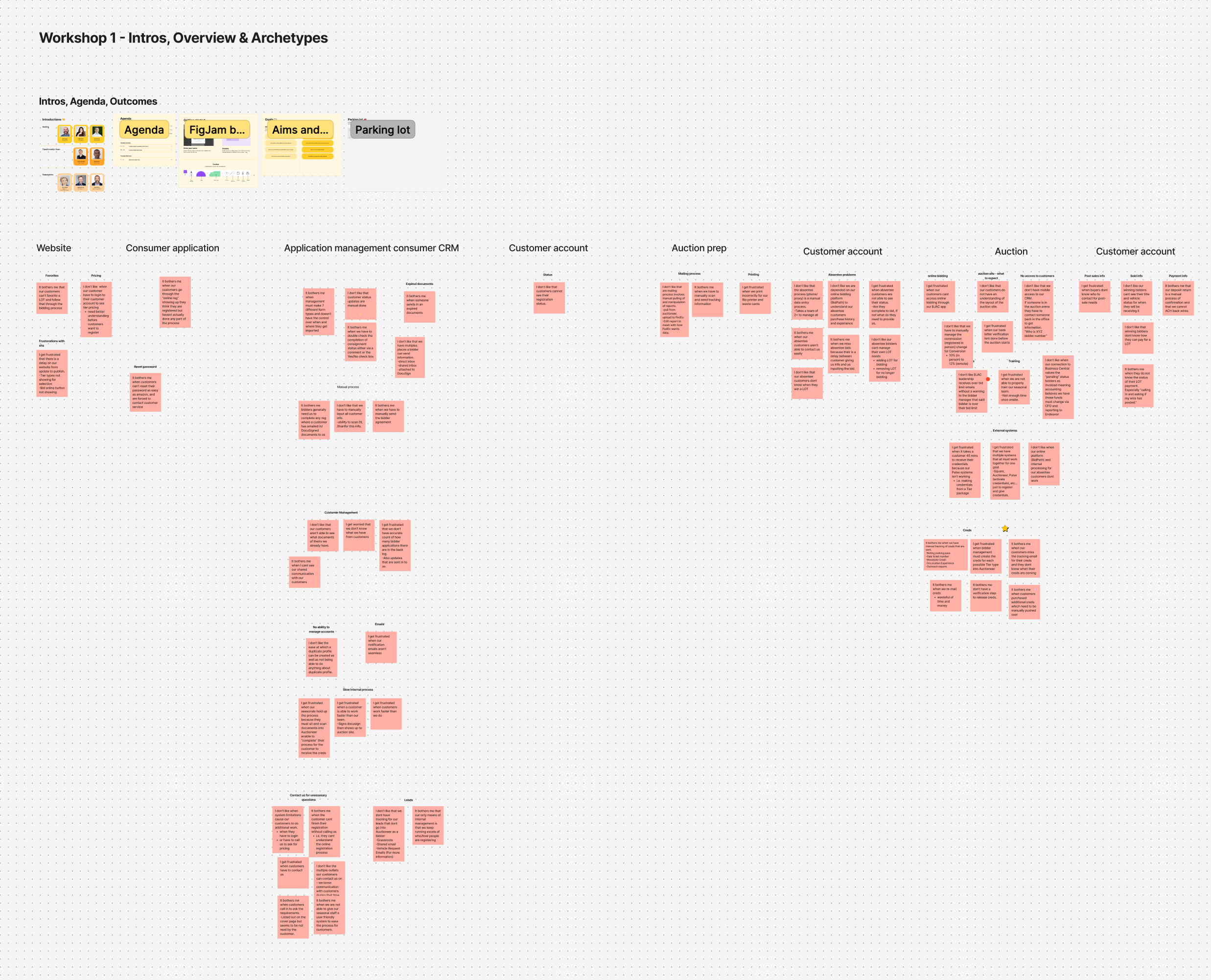
Generative & Stakeholder Research
Product & UX Strategy
UX & UI Design
Design System & Interaction Patterns
Brand & Visual Direction
Role & Ownership
DodgeUX served as the lead UX and product design partner across Barrett-Jackson’s core software workflows, spanning vehicle consignment, bidder registration, and the logged-in experience used to manage applications and purchases over time.
The team led stakeholder alignment across multiple business functions, defined future-state user journeys, and set the overall system design direction. DodgeUX was responsible for translating complex business rules and emerging requirements into clear, scalable workflows while guiding design execution across UX, UI, and system patterns in close collaboration with engineering.

The Real Problem
Barrett-Jackson’s most important users were being asked to complete complex, high-stakes workflows through outdated, form-heavy experiences that lacked modern UX structure and safeguards.
Existing consignment and bidder registration processes were rigid and incomplete, failing to account for critical variations across vehicle types, ownership scenarios, and participation models. Many edge cases and business requirements were either missing or handled manually, increasing friction for users and operational overhead for the business.
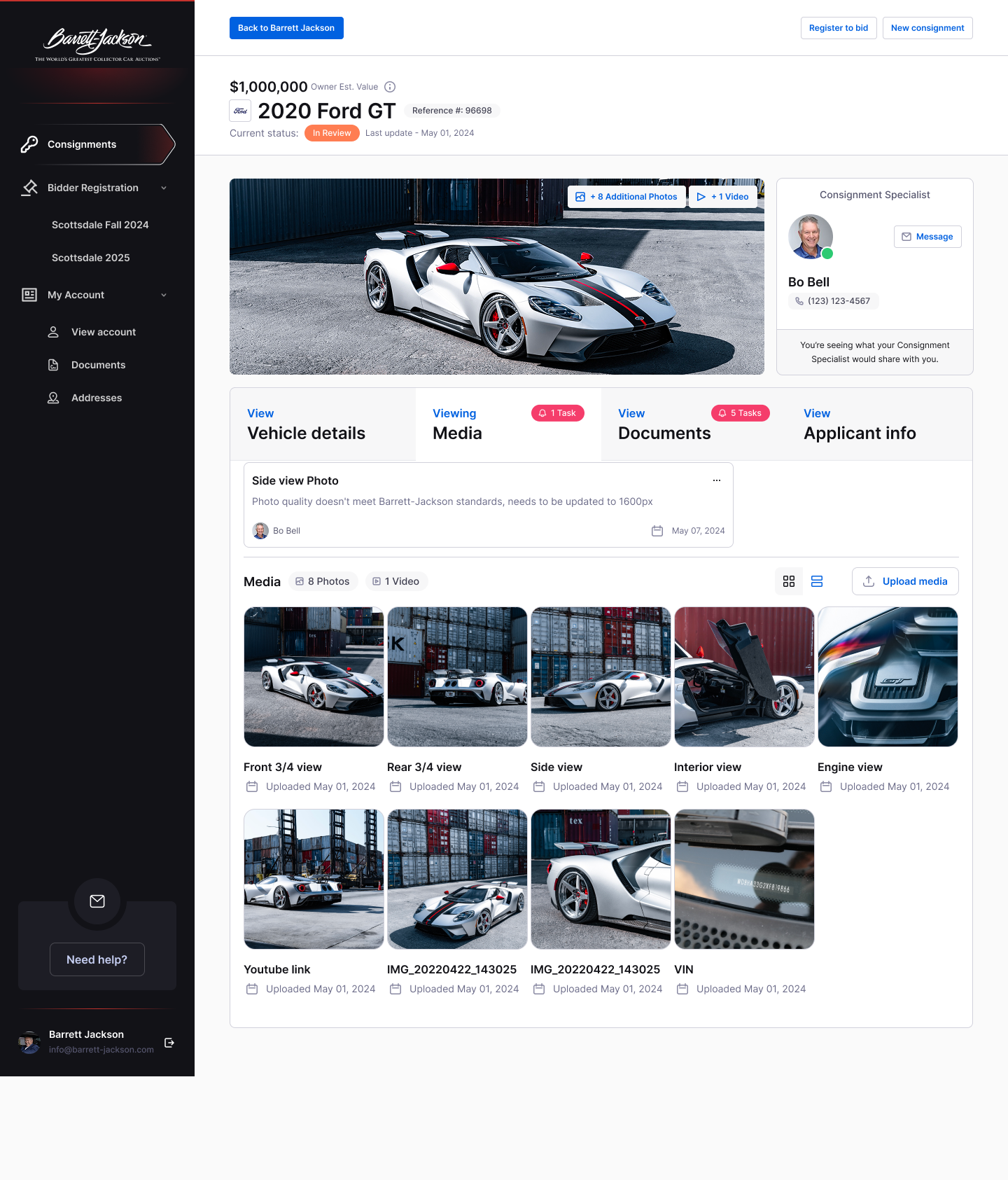
In the logged-in state, there was effectively no product experience at all. Participation relied heavily on PDFs and offline steps, making it difficult for repeat users to manage multiple consignments or purchases and limiting the platform’s ability to scale.
What Mattered Most
Several non-negotiables shaped how these workflows needed to be redesigned.
Accuracy and completeness were critical. The system had to support different registration types, tax implications, payment methods, and eligibility rules without ambiguity or error.
Speed through the application was also essential, particularly for repeat participants managing multiple vehicles or registrations. The experience needed to reduce manual effort while enforcing the business rules required to protect both users and the organization.
Together, these constraints required a balance between flexibility and rigor, ensuring users could move efficiently while the system maintained trust and compliance.
Key Decisions
DodgeUX prioritized correctness before optimization. Form flows were intentionally structured to surface required information at the right moments, validate inputs, and reflect real business logic before attempting to streamline completion.
Because many requirements were net new, workflows were designed, reviewed, and iterated closely with stakeholders. Each iteration surfaced missing conditions or edge cases that needed to be incorporated, ensuring the final system aligned with operational realities rather than assumptions.
These decisions established a durable foundation that balanced usability with the complexity inherent in high-value, regulated transactions.
The Work
The software work focused on redesigning three business-critical workflows that directly support Barrett-Jackson’s operations and revenue.
Consignment Application
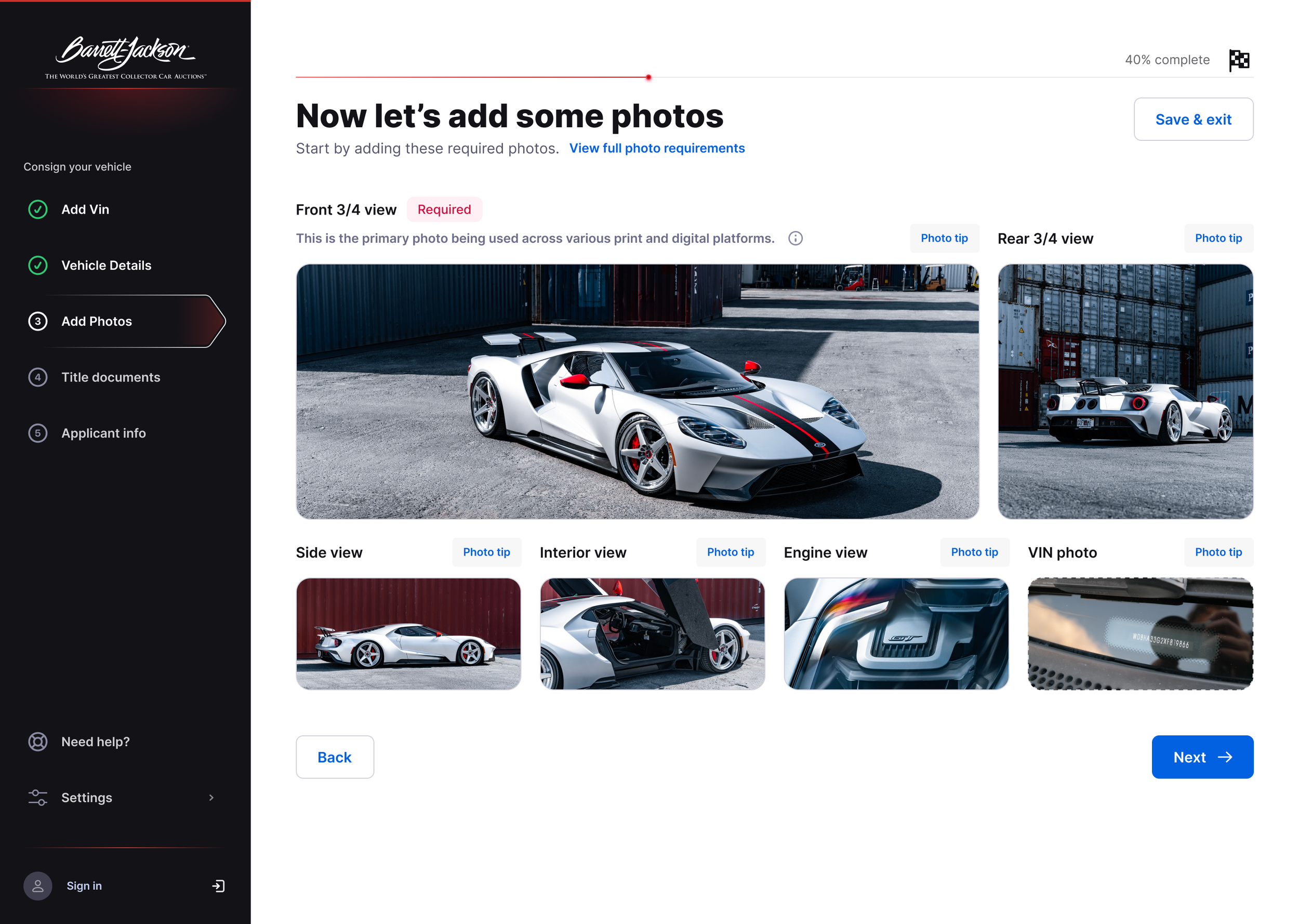
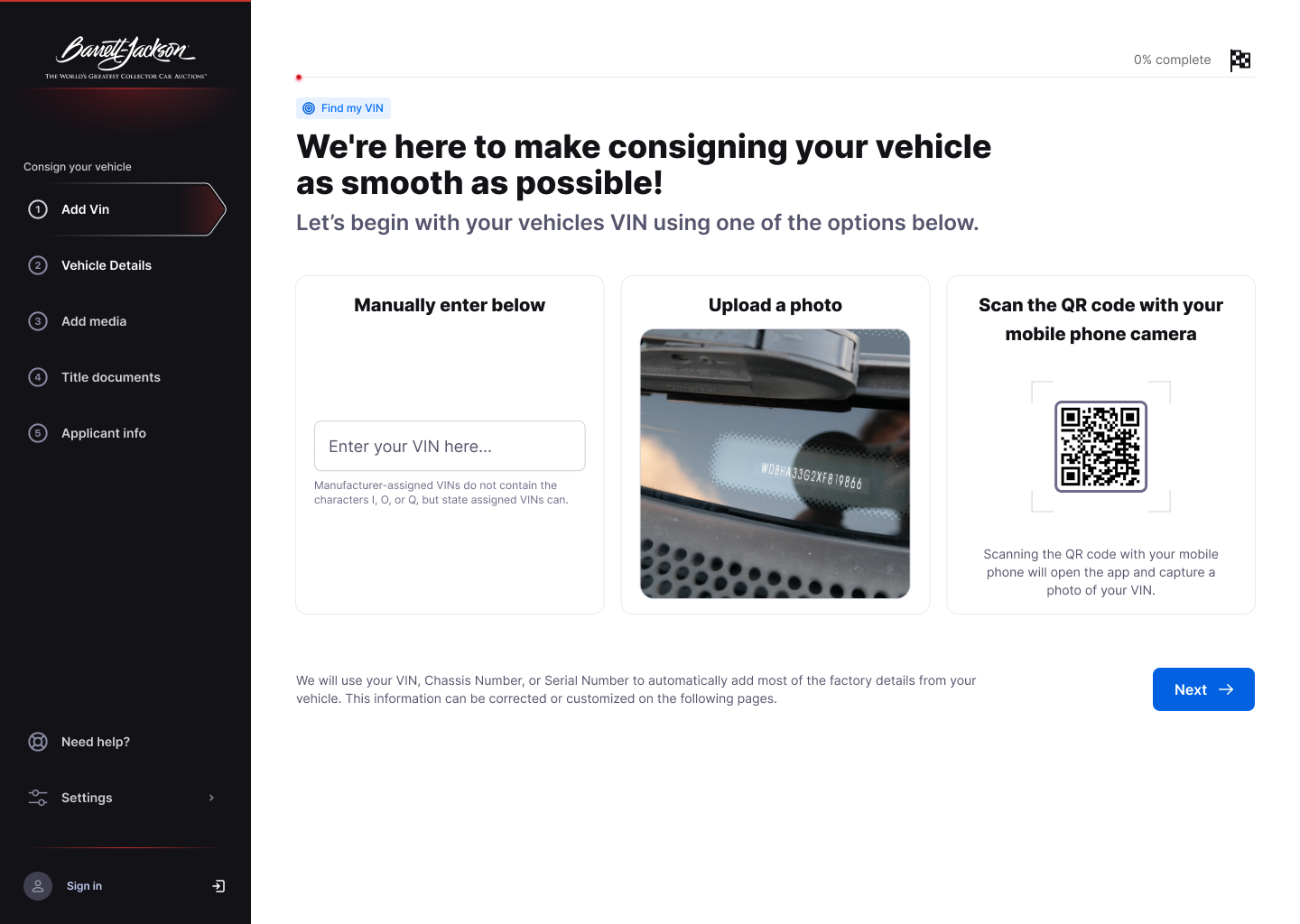
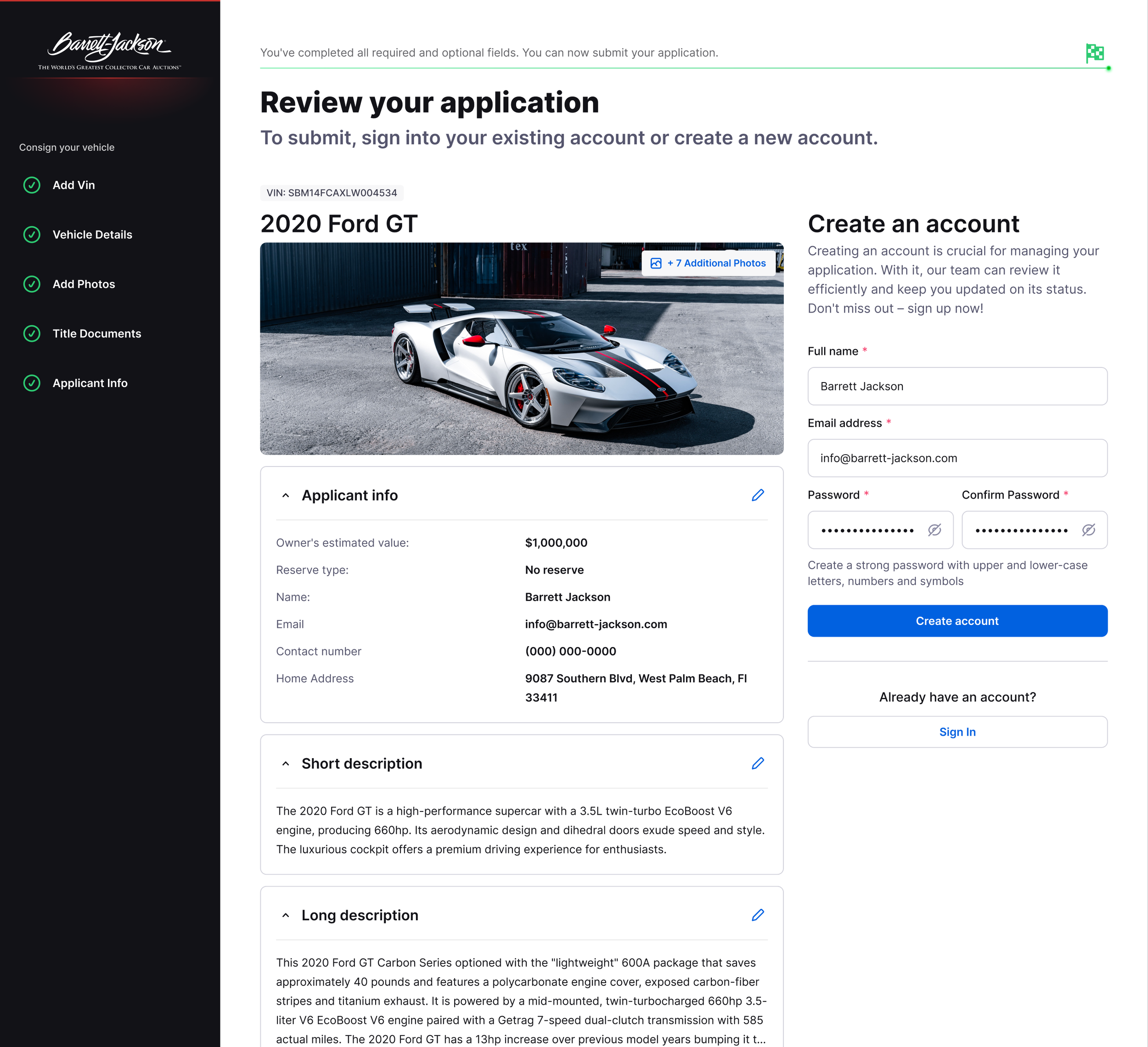
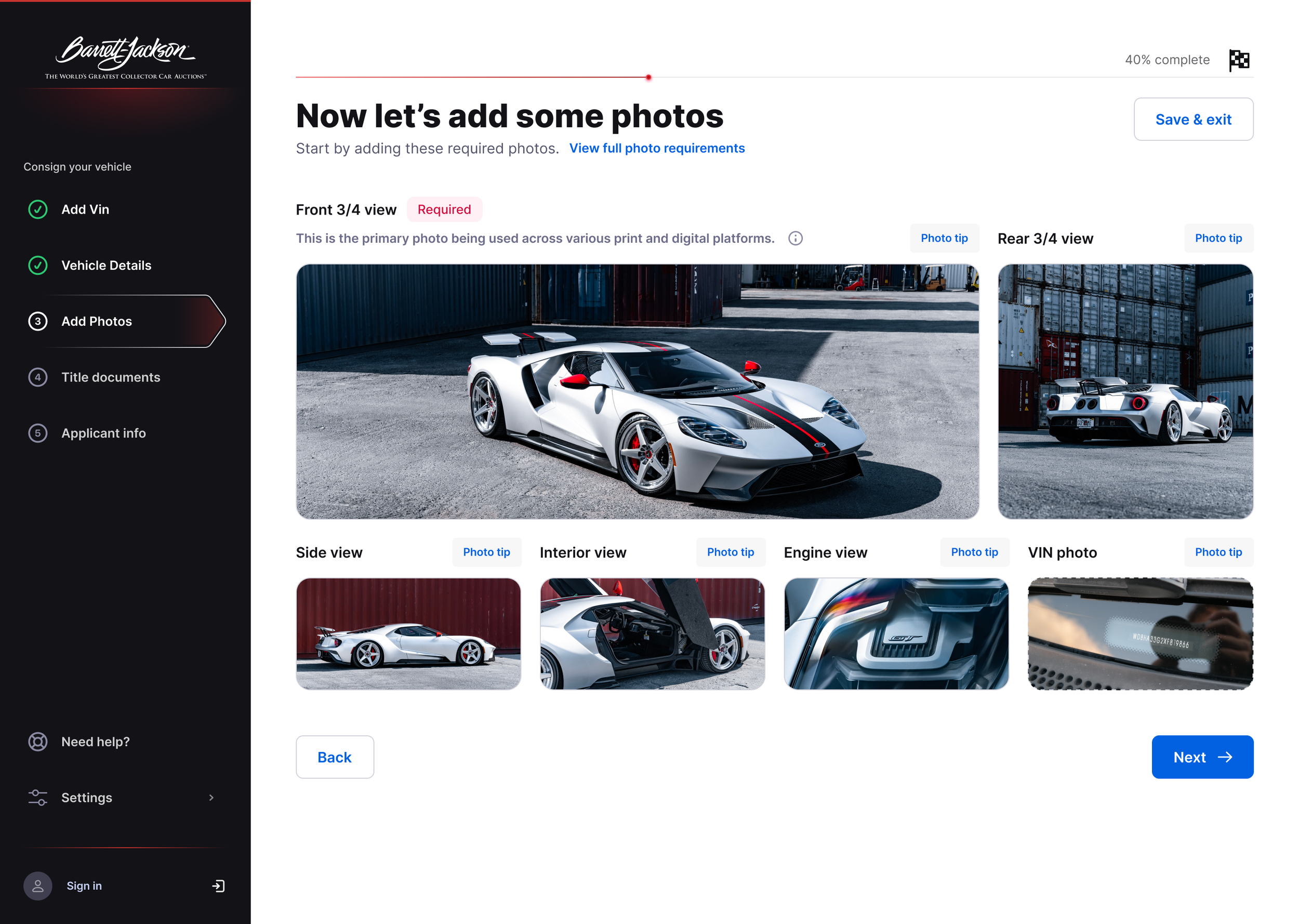
The consignment experience was redesigned from the ground up. Information was intentionally reordered to reflect how consignors think and work, with net-new systems introduced to accelerate data entry and reduce manual effort. This included structured vehicle identification through VIN lookup and clearer handling of ownership, shipping, and taxation requirements.
What had previously been a static, error-prone form became a guided, system-aware workflow capable of supporting repeat consignors managing multiple vehicles.
Bidder Registration
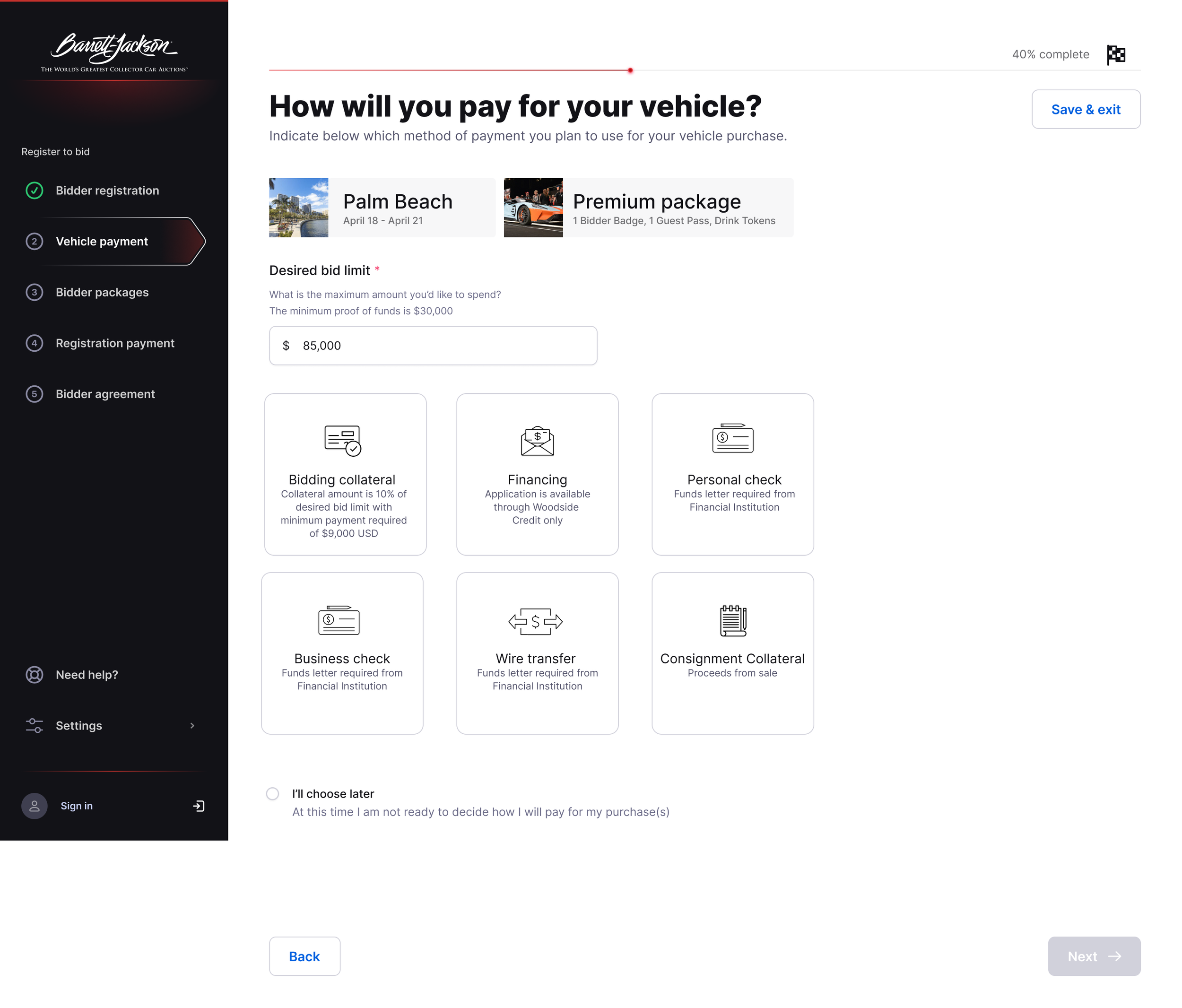
Bidder registration was rethought as a compliance-driven workflow rather than a simple sign-up form. The experience accounted for different registration types, identity verification, payment methods, and bid eligibility, introducing accelerators that reduced friction without sacrificing rigor.
The result was a structured flow that balanced speed with the accuracy required for high-value transactions.
Logged-In Experience
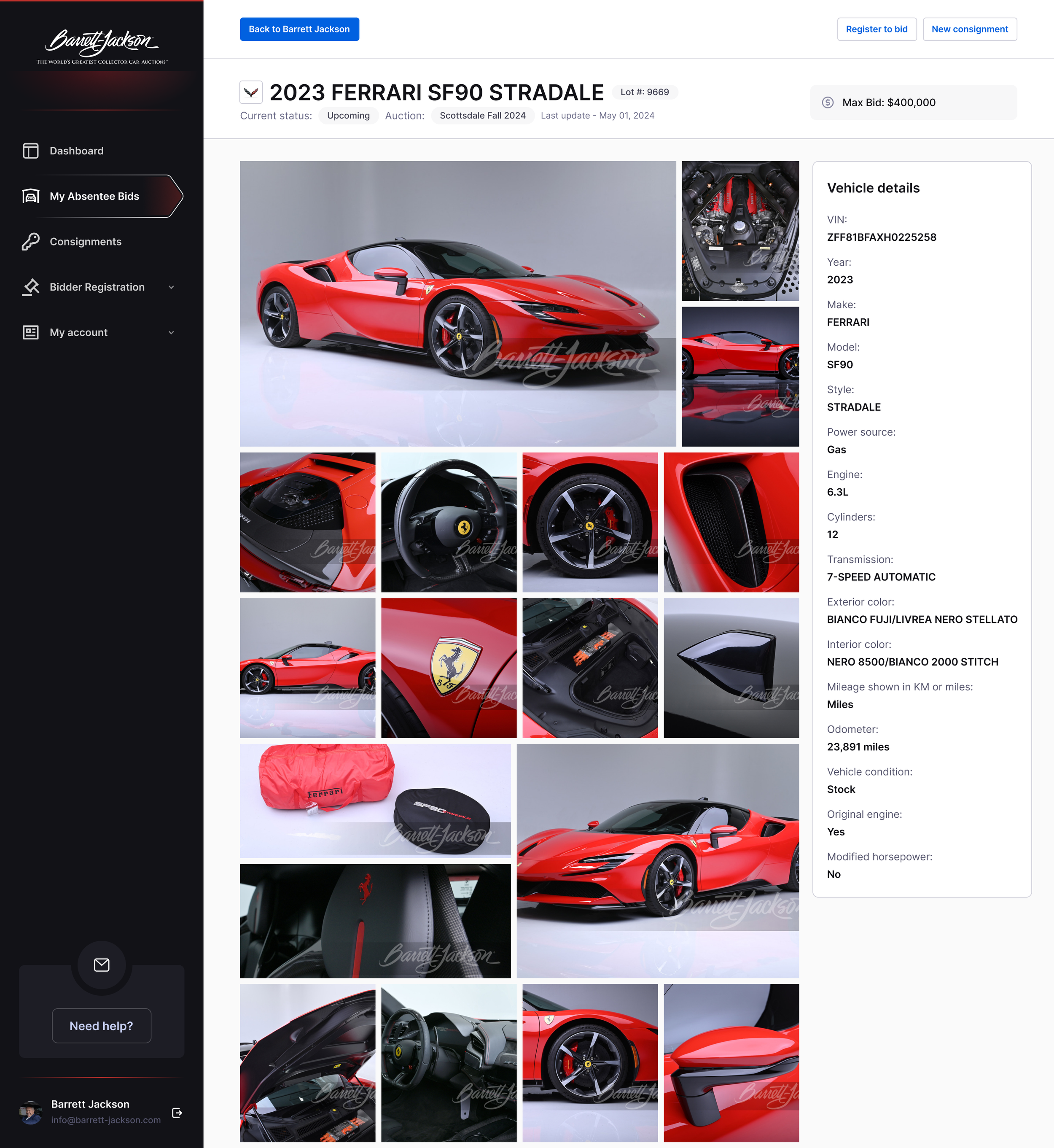
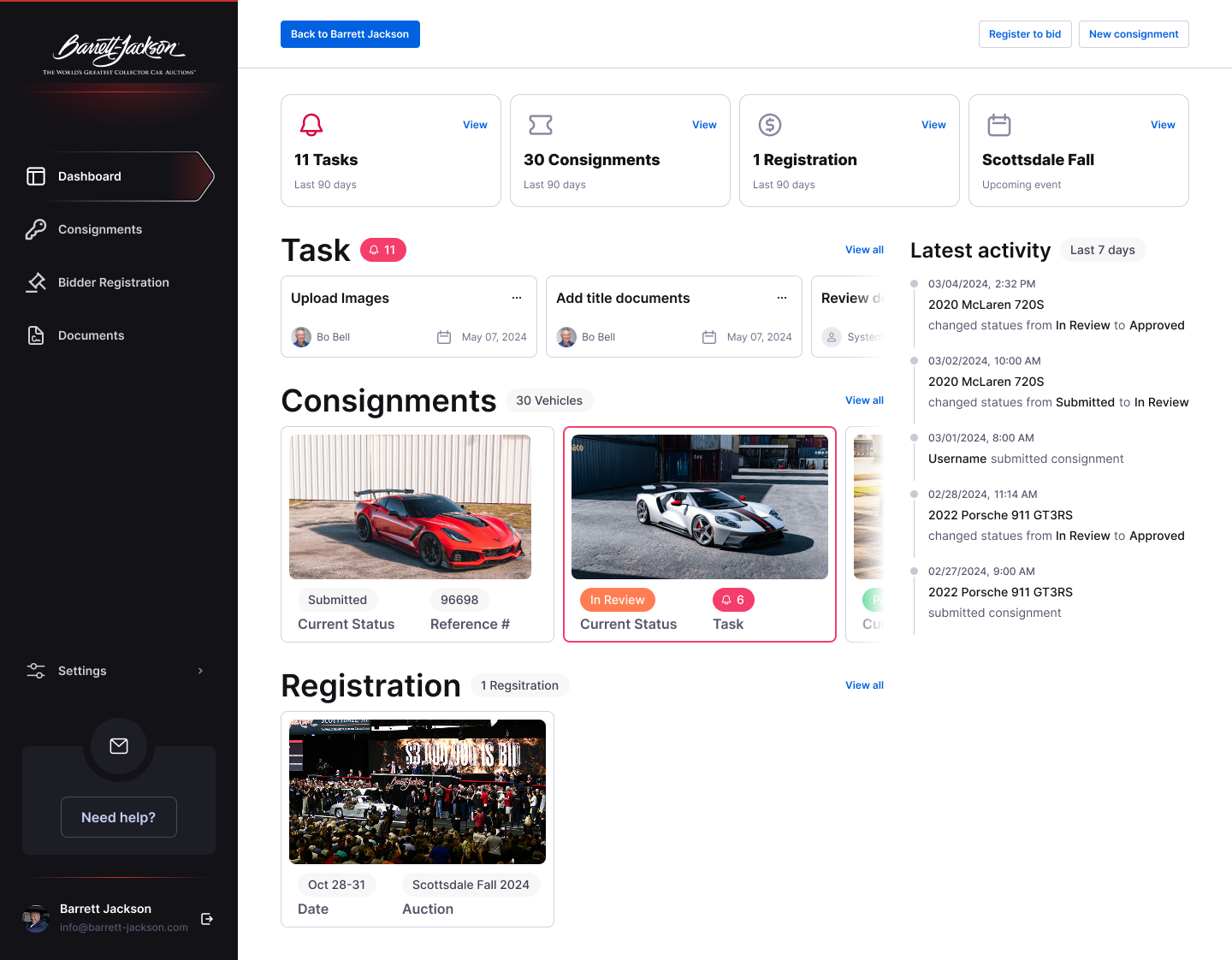
A net-new authenticated experience was designed to allow users to manage applications, consignments, and purchases in one place. This replaced fragmented, manual processes and gave participants visibility into status, next steps, and required actions over time.
Outcome
The redesigned software workflows fundamentally changed how Barrett-Jackson supports high-value transactions and repeat participation.
Users gained clearer, more structured experiences that reduced manual effort, improved accuracy, and increased confidence when completing complex applications. Offline steps and PDF-based processes were replaced with systemized, trackable workflows.
Internally, the business gained a more reliable and scalable foundation for managing customer data, applications, and operational complexity. Together, these changes enabled Barrett-Jackson to support sophisticated business requirements while delivering a modern, trustworthy software experience aligned with the seriousness of its auctions.